
Key Takeaways
- Invisible, or non-apparent, disabilities are physical, mental, or neurological conditions that can limit or challenge a person’s movements, senses, or activities, and can impact that person’s ability to learn or work.
- Students and educators with hidden disabilities get unnoticed because others are not aware of their conditions.
- NEA members, particularly special education teachers, are building more awareness and providing the necessary training to recognize the signs.
Not all disabilities are apparent from the outside. These physical, mental, or neurological conditions—known as non-apparent, disabilities—can limit or challenge a person’s movements, senses, or activities, and can impact that person’s ability to learn or work. These conditions affect students and educators more than you may think.
Many people with non-apparent disabilities get unnoticed because others aren’t aware of their conditions, says Martha Patterson, a special education and math intervention teacher for Central Kitsap Schools, in Washington state. But educators, especially special education teachers, are working to change this.
What You Need to Know
Common non-apparent disabilities include cognitive dysfunction, chronic fatigue, and sensory-processing disorders. They also include autoimmune disorders, depression, diabetes, vision impairments, and trauma, among other conditions.
For Traci Arway, a special education coordinator for Columbus City Schools, in Ohio, advocating for these students and educators to receive proper accommodations became more than just her day job.
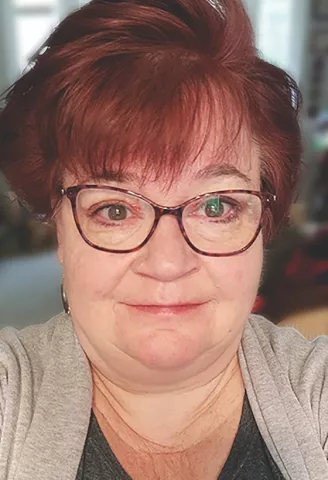
Three of her children have non-apparent disabilities. “I deal with this every day,” she says. That’s how she became a vocal advocate for her own students with non-apparent disabilities.
One way to detect these conditions in students is to pay attention to how they respond—or don’t respond—to the lesson.
“Educators may think the student is not engaged, but it might be hard for the student to keep up with the level of engagement that we’re expecting,” Arway says.
Educators can better understand a student by asking some basic questions: Does the student have a 504 plan, an Individualized Education Program, or a medical plan—all of which are designed to provide additional support to students.
Support for Educators
Educators are entitled to accommodations, too. In fact, they can have their own 504 accommodations.
Arway, for example, has been diagnosed with generalized anxiety disorder and depression. In years past, her accommodations would include breaks, if needed, and a work location with limited distractions. Some educators are even allowed emotional support animals.
“It’s standard practice to receive accommodations,” Patterson says. She shares how a colleague with bipolar disorder had a window installed in her classroom to alter the lighting. “The winters are gray here and if you have a diagnosed medical condition that impacts your ability to work, you must advocate for yourself.” (Check with your local affiliate to learn more about eligibility requirements under the American with Disabilities Act.)
More Understanding and Collaboration Are Needed
Robin Szymanski, a special education resource teacher in Maryland’s Carroll County Public Schools, says more understanding and collaboration are needed to help students and educators succeed.
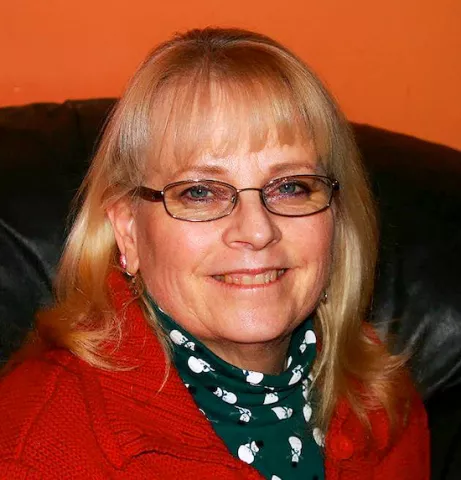
“I educate everyone. ... There’s no such thing as he’s your student, not mine,” says Szymanski. “We need to work as teams to come up with different ideas to help students.”
So, what needs to change to make this possible? Special education teachers suggest strategies such as: Common planning time between special education and general education teachers; more professional development around resiliency and social and emotional learning; and differentiated lessons to meet the needs of every learner.
Member-to-Member Support
Arway and Szymanski are members of the NEA Disbility Rights Resource Cadre, a group of nearly two dozen educators nationwide trained to provide professional development and resources to help NEA members improve the academic success of all their students.
The group works in four main areas, called domains, that include elevating the voice of members who are experts in the Individuals with Disabilities Education Act; creating and providing resources and professional development to NEA members; strengthening and establishing new partnerships with disability organizations; and dispelling the monolithic perceptions of individuals with disabilities.
“I educate everyone. ... There’s no such thing as he’s your student, not mine. We need to work as teams to come up with different ideas to help students.” - Robin Szymanski, special education resource teacher.
Cadre members are grounded in the realities of what happens in classrooms across the country, which helps them create timely and relevant trainings and resources—as well as provide a more accurate picture of what educators need to support their students when they’re, say, called to the White House.
Arway shares, “The number of resources, partnerships, and information the cadre has helped develop and present is key in helping educators and members know their rights, such as if they’re eligible for ADA (American with Disabilities Act) services, and what to do if a student in their class is presenting with a disability.”
And these resources and trainings are available for NEA members. For more information on the NEA Disability Rights Resource Cadre, email NEA’s Education Policy & Implementation Center at [email protected].
Additional Resources
Go to NEA's Disability Rights and Inclusion resource hub to find out what you can do to better support your students at nea.org/individuals-with-disabilities. For educators or colleagues with a disability, learn how to better protect yourself against discrimination based on a protected disability under federal law.